Key takeaways
- Inspect the empty container before a single carton goes in. A container with holes, a wet floor or an odour should be rejected, not loaded.
- Count cartons against the packing list and open a few at random. Loading day is the last chance to catch a swap or a shortfall.
- Heavy cartons go low, weight spreads evenly along the floor, and gaps are filled or braced.
- Record the container number and seal number, and photograph the sealed doors. Those two numbers tie the goods to your documents.
Why supervise loading at all
A pre-shipment inspection tells you the lot was good on the day of the visit. It does not prove that the same goods go into the container. Between inspection and loading, cartons can be short-shipped, swapped for rejected stock, left in the rain or stacked badly. Container loading supervision closes that gap.
In India most export containers for furniture, textiles and handicrafts are stuffed at the factory or at an inland container depot (ICD), then moved by rail or road to a gateway port such as Mundra or Nhava Sheva. The check happens where the stuffing happens, so tell your inspector which it is when you book.
Loading supervision is most useful after a reworked lot (see what to do after a failed inspection), for a first order with a new supplier, for mixed loads of many styles, and for fragile or high-value goods.
From our inspections
Real photos from our published sample reports, anonymised. Click a source to read the full report.
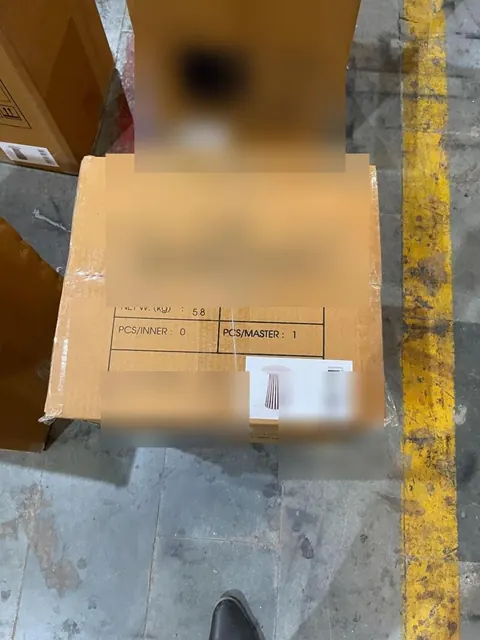
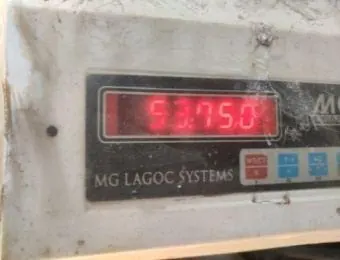
Before loading day: documents and plan
Send the inspector these documents a day or two before loading:
- Final packing list, with carton numbers, quantities per style and gross weights.
- Shipping-mark and label specification: what each carton should say, barcodes and handling marks (see shipping marks).
- The pre-shipment inspection report, so the inspector knows which styles passed and which were reworked.
- Container booking details: size and type, booking number and the seal your forwarder or line supplies.
- Loading plan, if you have one: which styles go where, and any cartons that must not be stacked.
- Moisture and packing rules: desiccants, liners, pallets and whether wood packaging is used.
Confirm with the factory that every carton is packed, counted and staged under cover before the container arrives. Loading from a half-packed lot is how shortfalls and mixed-up cartons happen.
Check the empty container
Before loading starts, the inspector checks the container inside and out and photographs it with the doors open. A container that fails is rejected, and you and your freight forwarder are told straight away so a replacement can be arranged.
| Check | What fails |
|---|---|
| Container number and plate | Number does not match the booking; no CSC safety approval plate. |
| Walls, roof and front wall | Holes, cracks or rust-through. With the doors closed from inside, any light coming in shows a hole. |
| Floor | Wet, broken or soft boards, protruding nails, oil or chemical stains. |
| Doors and seals | Door gaskets torn, locking bars or handles that do not close properly. |
| Smell and cleanliness | Strong odour, previous cargo residue, insects, soil or plant material. |
| Underside and outside | Damage to the frame or undercarriage. |
If your US importer is a member of the CBP's CTPAT security programme, its criteria for foreign manufacturers require a seven-point inspection of every empty container before stuffing: front wall, left side, right side, floor, ceiling or roof, inside and outside doors including the locking mechanism, and outside or undercarriage. Refrigerated containers add an eighth point, the fan housing.
Every container must also carry a safety approval plate under the International Convention for Safe Containers (CSC), 1972. The plate shows the container type has been approved, and the owner must have it examined periodically.
Check the goods and cartons
- Count. Count cartons against the packing list, by style, as they go in. A tally sheet per style is easier to reconcile than one running total.
- Open a few. Open random cartons and confirm the contents match the marks and the packing list. This is where a swap for rejected stock shows up.
- Carton condition. Set aside cartons that are crushed, wet, torn or re-taped, and record them with photos. Ask the factory to repack or replace them before they go in.
- Marks and labels. Check shipping marks, barcodes and handling labels on a sample of cartons against your specification.
- Weights, on request. Weigh sample cartons against the packing list. On request, the inspector can also weigh sampled units and their packaging by material (cartons, plastics, fillers) against your packaging specification, to support your packaging EPR or Plastic Packaging Tax reporting.
- Wood packaging. Pallets, crates and wooden dunnage must carry the ISPM 15 mark. See ISPM 15 and the ISPM 15 mark.
Stacking, securing and moisture control
The IMO/ILO/UNECE Code of Practice for Packing of Cargo Transport Units (CTU Code, 2014) is the international guidance on packing and securing cargo in containers. It is not mandatory, but it is the reference most loading checklists follow. On the day, the inspector watches for:
- Weight distribution. Heavy cartons on the floor and spread along the length of the container, not bunched at the doors or one end.
- Stacking. Light and fragile cartons on top. Cartons marked "this way up" or "do not stack" respected. Cartons squarely on cartons, not overhanging edges.
- Gaps and bracing. Voids filled with dunnage, airbags or bracing so the load cannot shift. The last row at the doors secured so it cannot fall when the doors open.
- Moisture. Desiccants hung or placed as specified, liners or carton covers if your plan calls for them, and no loading of wet cartons. During the monsoon, cartons should be stored and moved under cover.
- Fumigation, if required. Some loads and destinations need fumigation and a certificate. If so, confirm when and by whom it is done (see fumigation).
The inspector photographs the load at stages, for example empty, part-loaded, nearly full and full, so you can see how it was stowed.
Close, seal and record
When the last carton is in, the inspector photographs the final row, watches the doors close and the seal applied, and records the container number and seal number against the booking.
For CTPAT shipments to the US, the CBP criteria require a high-security seal that meets the current ISO 17712 standard, placed on the right-hand door. They also set a seal check known as VVTT: view the seal and locking mechanism, verify the seal number against the documents, tug the seal, and twist and turn it to make sure nothing comes loose.
Under SOLAS, the shipper must provide the verified gross mass (VGM) of every packed container before it is loaded on the ship. This has applied since 1 July 2016. The VGM is obtained by weighing the packed container, or by weighing all the contents including pallets, dunnage and securing material and adding the container's tare mass. It is the shipper's or forwarder's task, but the packing list weights and the inspector's carton count help catch a mismatch early.
Container loading checklist
Copy this list into your loading request or your own plan.
Before loading day
- Final packing list, shipping-mark spec and inspection report sent
- Container size, booking number and seal source confirmed
- All cartons packed, counted and staged under cover
Empty container
- Container number matches the booking; CSC plate present
- No holes (light test), damage or rust-through
- Floor dry, sound and clean; no odour or residue
- Doors, gaskets and locking bars work
Loading
- Cartons counted by style against the packing list
- Random cartons opened; contents match marks
- Damaged or wet cartons set aside and replaced
- Marks, labels and barcodes checked
- ISPM 15 mark on all wood packaging
- Heavy cartons low, weight spread evenly, gaps braced
- Desiccants and liners as specified
Closing
- Final row and closed doors photographed
- Seal applied and checked (VVTT for CTPAT shipments)
- Container and seal numbers recorded on the report
How Clear To Load supervises loading
Our inspectors supervise loading at factories and inland container depots anywhere in India. The report includes the container and seal numbers, carton counts by style, photos of every stage and any cartons set aside. When goods are inspected and loaded at the same site on the same day, a pre-shipment inspection and loading supervision can be combined in one visit. Loading supervision is priced by the man-day, plus travel by band; see pricing, or book loading supervision.
Sources
- IMO: Verification of the gross mass of a packed container (SOLAS regulation VI/2)
- IMO: IMO/ILO/UNECE Code of Practice for Packing of Cargo Transport Units (CTU Code)
- IMO: International Convention for Safe Containers (CSC), 1972
- CBP: CTPAT Minimum Security Criteria, Foreign Manufacturers (March 2020)
- ISPM 15, Regulation of wood packaging material in international trade (IPPC)