A major defect is a fault that is likely to make the product fail, shorten its life or lead a customer to return it or complain, without being a safety risk. A common limit for major defects is AQL 2.5. Too many in the sample fails the lot, even if there are no critical defects.
Last reviewed 14 Oct 2026 · Written by Alka Rajpurohit
The test for major
Ask one question: would a customer who noticed this send the product back or complain? If yes, and nobody can be hurt, it is usually major. Typical examples:
A drawer or door that sticks, a zip that jams, a lamp that does not light.
A crack through solid wood or stone, an open seam, a loose joint.
Colour or finish visibly different from the golden sample.
A size outside the agreed tolerance, or fabric lighter than the ordered GSM.
A wrong or unreadable barcode, which stops the goods at the buyer's warehouse.
Position matters. A deep scratch on a table top is major; the same scratch under the top may be minor. Your defect list should say so in advance.
From our inspections
Real photos from our published sample reports, anonymised. Click a source to read the full report.
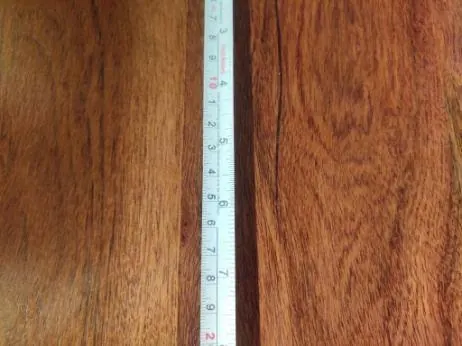
Our Sample 03 report covered a 40-piece lot of oval dining tables in Jaipur. On a lot this small, the AQL 2.5 plan for major defects is 5 pieces, accept 0, reject 1. The inspector found two major defects: an end crack in one top and visible epoxy filling on another. Two against a reject number of 1 gave a Not cleared verdict. Both tops had to be replaced or remade before shipment.
The example shows how strict small lots are. With accept 0, a single major defect fails the lot.
How Clear To Load records major defects
Each major defect is photographed, tied to its style and counted against the major accept number on the checklist. When one fault repeats across many units, such as a size variant across a whole style, the report says so, because rework then affects the lot, not one piece. A major count at or above the reject number gives Not cleared; the usual next step is rework and a reinspection.
No. AQL 1.5 or 1.0 is stricter and suits premium goods or a supplier with a poor record. AQL 4.0 is looser. Choose before production and write it into the purchase order.
Are major defects found in a passed lot fixed?
They should be. A pass means the lot as a whole is acceptable, but the faulty units found in the sample still need repair or replacement before packing.
Can several minor defects add up to a major one?
Not automatically. Some buyers' defect lists say that a unit with several minor defects counts as one major. If you want that rule, put it in your list.
Know before it ships
Tell us the product, the factory's city and your ready date. We confirm the inspector, the notice time and the price before you book.