Key takeaways
- Book the inspection for the day the order is 100% produced and at least 80% packed. Earlier than that, the sample cannot represent the lot.
- Send the purchase order, specification, approved sample details and label artwork before the visit. The inspector checks against what you send.
- The inspector, not the factory, chooses the cartons, from across the whole lot.
- Every finding is classed critical, major or minor and counted against the AQL accept and reject numbers. One critical defect fails the lot.
The PSI checklist in 10 steps
- Confirm readiness. The factory confirms in writing that the order is 100% produced and at least 80% packed.
- Send documents. PO, packing list, specification with tolerances, approved sample details, defect list and AQL plan, artwork.
- Count cartons. The inspector counts cartons against the packing list, per style.
- Pick at random. The inspector chooses cartons from across the lot; pieces the factory sets aside are refused.
- Check packing. Outer cartons, shipping marks, ISPM 15 marks on wood packaging, inner packing and fittings.
- Check conformity. Style, material, colour and finish against the specification and approved sample.
- Count defects. Every sampled unit is examined; each defect is classed critical, major or minor.
- Measure and test. Dimensions, weights, function and on-site tests, including a carton drop test for fragile or heavy goods.
- Check labels. Product, care, warning and origin labels; barcodes scanned.
- Issue the verdict. Counts are compared with the AQL accept and reject numbers, and the report gives one verdict: Cleared to load, Hold or Not cleared.
Each step is explained below, and the full checklist to copy is at the end of this page.
From our inspections
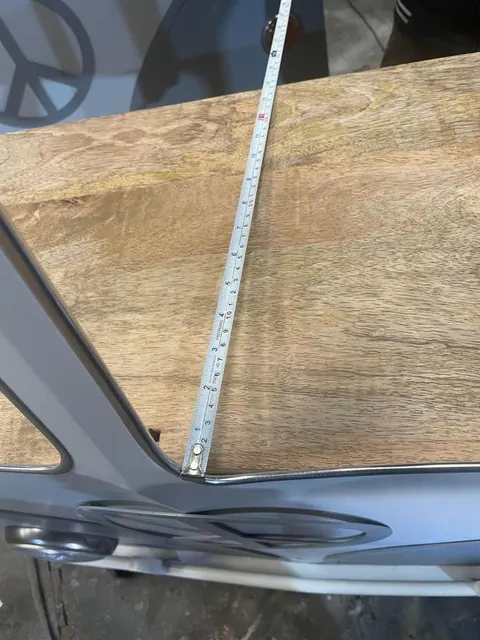
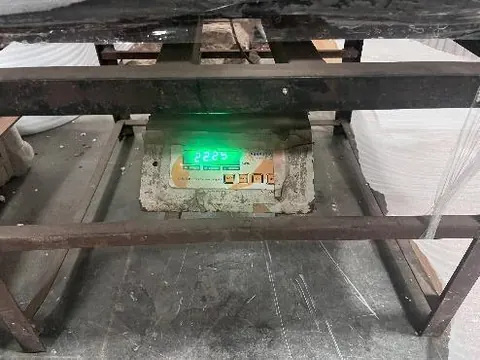
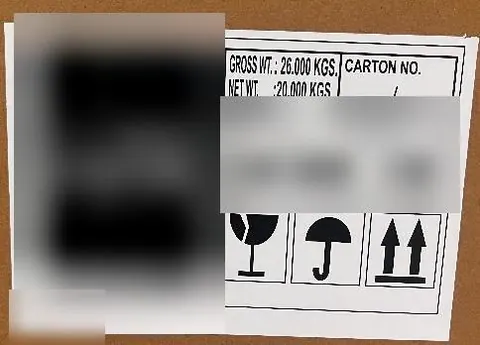
Real photos from our published sample reports, anonymised. Click a source to read the full report.

Is the factory ready? The readiness check
A pre-shipment inspection (PSI) only works on a finished lot. Before you confirm the date, ask the factory to confirm in writing:
- Production is 100% complete for every style on the order.
- At least 80% of the goods are packed in export cartons, with marks and labels applied.
- The approved sample, or the finish and colour references, are at the factory.
- There is space, light and staff to open cartons, a working scale and power for function tests.
If the lot is not ready on the day, the inspector records what was offered and the result is limited. In a Clear To Load report, an inspection that could not be completed in full is issued as Hold, so you decide what happens next. In Sample 01, all 181 pieces were offered and carton-packed, which is what a full PSI needs.
Documents to send before the visit
| Document | What the inspector uses it for |
|---|---|
| Purchase order and packing list | Quantity per style, carton count, lot size for the sampling plan. |
| Specification, drawings or tech pack | Dimensions and tolerances, materials, construction, colours. |
| Approved sample details | Finish, colour and workmanship standard. See golden samples and approved samples. |
| Defect list and AQL plan | Which faults are critical, major or minor, and the accept and reject numbers. |
| Label, carton and barcode artwork | Product labels, care and warning labels, origin marking, shipping marks, barcodes. |
| Test requirements | On-site tests to run, and any lab samples to pull and seal. |
If you do not have a checklist yet, the guide on how to write an inspection checklist shows how to build one from your specification. Without a stated tolerance, a measured difference can be reported but not judged: in Sample 01 the PO gave no dimensional tolerance, so deviations of up to +1.5 cm were recorded only.
The inspection, step by step
- Opening meeting. The inspector confirms the PO, styles and quantities with the factory, and photographs the factory entrance and the lot.
- Quantity and packing status. Cartons are counted against the packing list. Short quantities are recorded per style.
- Random carton selection. The inspector picks cartons from different stacks, rows and pallets across the lot. Cartons the factory has set aside are refused.
- Outer cartons. Carton size, strength, condition and shipping marks against your specification. Wooden pallets and crates checked for the ISPM 15 mark.
- Inner packing. Polybags, corner protectors, foam, silica gel, assembly instructions and fittings bags.
- Product conformity. Style, material, colour and finish against the specification and approved sample.
- Workmanship. Every sampled unit is examined for visual defects, each classed critical, major or minor.
- Measurements and weights. Product and carton dimensions and weights against the specification and tolerances.
- Function and on-site tests. Tests that suit the product, listed in the next section, plus a carton drop test for fragile or heavy goods.
- Labels and barcodes. Product labels, care and fibre content, warnings and country-of-origin marking; barcodes scanned.
- Optional add-ons. Pulling and sealing lab samples (lab testing coordination), and weighing sampled units and their packaging by material to support your packaging EPR or Plastic Packaging Tax reporting.
- Closing meeting. Findings are shown to the factory with photos. The verdict is issued in the report after supervisor review.
On-site tests by product type
On-site tests show whether the product works and survives handling. They are screens, not lab tests: chemical, flammability and formal stability compliance need an accredited lab.
| Product type | Typical on-site checks |
|---|---|
| Furniture | Assembly from the carton, drawers and doors, level and wobble, tip-over screen on storage units, wood moisture readings. |
| Home textiles and apparel | Measurements against the size chart, shade comparison between cartons, stitching, zips and buttons, label content. |
| Rugs | Size and squareness, pile height, weight, backing and binding, colour against the approved strike-off. |
| Décor and handicrafts | Hanging fittings and stability, plating and paint adhesion by eye, glass and breakable parts, lighting function where fitted. |
| Ceramics and glass | Chips, cracks and crazing, sitting flat, lid fit, stacking. |
| Electrical goods | Function at the rated supply, markings and rating plate, plugs and cords against the market you specify. |
How findings become a result
The sample size and the accept and reject numbers come from ISO 2859-1, usually at general inspection level II. A common plan is zero critical defects, AQL 2.5 for major and AQL 4.0 for minor. For a lot of 501 to 1,200 units this gives code letter J and a sample of 80: accept up to 5 major (reject at 6) and up to 7 minor (reject at 8). See AQL sampling explained or use the AQL calculator.
| Verdict | When it is given |
|---|---|
| Cleared to load | Every defect class is within its accept number and the other checks meet the specification. |
| Hold | AQL results within limits, but something needs your decision: a quantity shortfall, packing, labels or marks that differ from the specification, a colour or finish difference from the approved sample, missing documents, goods reworked during the visit, or an incomplete inspection. |
| Not cleared | Any critical defect, major or minor defects at the reject number, or a failed safety or function test. |
The report arrives within 24 hours of the inspection, with photos of every check and finding. If the lot is not cleared, see what to do after a failed inspection.
The pre-shipment inspection checklist
Copy this numbered list into your booking or your own visit plan, and tick each line off.
Before the visit
- Factory confirms 100% produced and at least 80% packed, in writing
- PO, packing list and specification with tolerances sent
- Approved sample or finish references at the factory
- Defect list and AQL plan agreed
- Label, carton mark and barcode artwork sent
- On-site tests, lab samples and packaging weighing requested if needed
On site
- Cartons counted against the packing list, per style
- Cartons picked at random by the inspector from across the lot
- Carton condition, size, strength and shipping marks
- Pallets and crates marked ISPM 15
- Inner packing, instructions and fittings
- Style, material, colour and finish against the sample
- Workmanship defects classed and counted
- Dimensions and weights recorded
- Function and on-site tests done
- Labels, warnings, origin marks and barcodes checked
- Carton drop test on fragile or heavy goods
- Photos of every check and every finding
After the visit
- Report read against the AQL plan
- Hold items decided in writing
- Rework and reinspection booked after a Not cleared result
- Loading supervision booked if needed